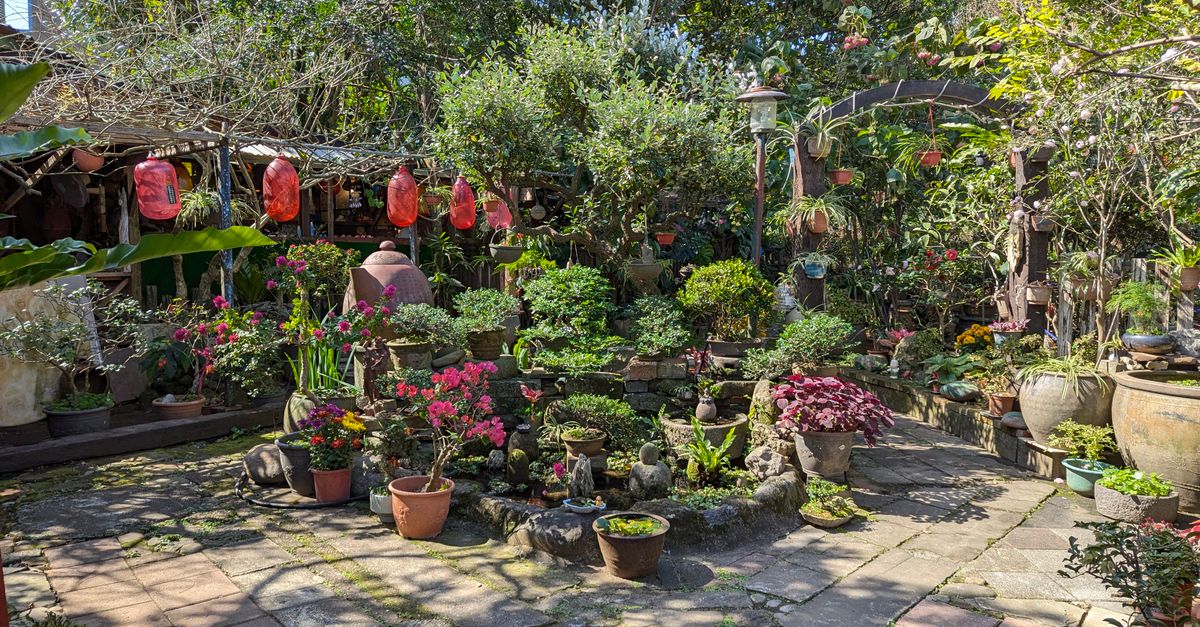
Why Your Garden Always Looks 'Messy' (And What Actually Works for Effortless, Year-Round Beauty)
Does your garden always feel like a battleground against nature? Do you spend hours weeding, pruning, and tidying, only to step back and find it still looks, well, a bit messy? I know the feeling. For years, my own backyard was a constant source of frustration. I’d try to meticulously maintain it, following all the conventional wisdom: regular weeding, neat rows, perfectly edged borders. But within days, or even hours, it would revert to a state of charming, yet decidedly unkempt, wildness. It felt like I was fighting an uphill battle against an invisible force.
What I eventually realized, after countless sore backs and disheartened sighs, was that the problem wasn’t my lack of effort, but my approach. I was trying to impose a rigid, high-maintenance ideal onto a living, breathing ecosystem that had its own ideas. The truth is, many of the traditional gardening practices we’re taught actually contribute to the perpetual mess, creating more work and less beauty. It’s a classic case of chasing a fleeting aesthetic that works against nature, rather than with it. Once I shifted my perspective and adopted some counter-intuitive strategies, my garden transformed from a chore into a source of genuine joy and effortless, year-round beauty. It’s not about doing more; it’s about doing things differently.
Key Takeaways
- Embrace natural plant associations and ‘organized chaos’ over strict rows and artificial tidiness.
- Shift from reactive, constant weeding to proactive soil health and strategic plant choices that suppress weeds.
- Implement a seasonal ‘cut back and drop’ strategy to feed your soil and reduce the need for hauling waste.
- Design for all four seasons by incorporating evergreen structure and varied textures for continuous interest.
The Illusion of Perfection: Why Traditional Tidiness Creates More Work
The biggest trap I fell into, and one I see countless gardeners grapple with, is the pursuit of perfect tidiness. We’re conditioned to believe a ‘beautiful’ garden means spotless beds, sharply defined edges, and every leaf in its place. The reality? This is an unsustainable, high-maintenance fantasy. Nature abhors a vacuum, and when you strip away every bit of organic matter and keep soil exposed, she responds by filling it – often with what we consider ‘weeds.’
Think about it: a forest floor isn’t meticulously raked. It’s a rich tapestry of decomposing leaves, fallen branches, and diverse undergrowth. This ‘mess’ is what feeds the soil, retains moisture, and suppresses unwanted growth. My mistake was trying to achieve a pristine look that required constant intervention. I was raking every fallen leaf, deadheading flowers obsessively, and meticulously removing every sprout that dared to appear outside its designated spot. This led to:
- Exposed Soil: Raking leaves and removing plant debris meant my soil was constantly exposed to sun and wind, drying it out faster and giving weed seeds an open invitation.
- Nutrient Depletion: By removing all organic matter, I was essentially strip-mining my soil of valuable nutrients, making my plants reliant on synthetic fertilizers.
- Constant Weeding: With depleted, exposed soil, weeds thrived, forcing me into a never-ending cycle of pulling them out, only for more to appear.
What changed everything for me was embracing a bit of organized chaos. Instead of fighting nature, I started working with it. I now let fallen leaves decompose in place, especially under shrubs and perennials. I practice selective pruning, removing only truly dead or diseased material, and often leaving spent perennial stalks through winter for habitat and visual interest. This approach reduces my workload significantly, builds healthier soil naturally, and creates a more resilient, dynamic garden that looks intentionally natural, not neglected. My soil is now richer, retains moisture better, and surprisingly, I have far fewer aggressive weeds because the ground is covered and the ecosystem is more balanced. It’s about shifting from an adversarial relationship with nature to a collaborative one.
Beyond Reactive Weeding: Cultivating Soil Health as Your First Defense
For years, my weeding strategy was purely reactive: see a weed, pull a weed. This was exhausting and ineffective. It felt like I was always a step behind. The mistake I see most often is treating weeds as an isolated problem, rather than a symptom of an underlying issue: poor soil health and exposed ground.
Here’s the truth: weeds are nature’s pioneers. They’re often the first plants to colonize disturbed or degraded soil, performing vital ecosystem services like breaking up compacted earth, adding organic matter, and protecting bare ground. If your soil is healthy, rich in organic matter, and consistently covered, you will naturally have fewer issues with aggressive weeds.
My breakthrough came when I stopped seeing weeding as just removal and started focusing on prevention and soil building:
- Thick Mulch is Non-Negotiable: I used to scrimp on mulch, or use decorative rock which offers no soil benefit. Now, I apply a generous 3-4 inch layer of organic mulch (like shredded bark or wood chips) over all my garden beds in spring and top it up as needed. This suffocates weed seeds, conserves moisture, and slowly breaks down to enrich the soil. It’s a game-changer. I probably cut my weeding time by 70% just with this one change.
- Plant Densely: Bare soil is an invitation for weeds. I now design my beds to be lush and full, with plants covering every available space. Taller plants shade out shorter ones, and groundcovers fill in the gaps. This creates a living mulch that outcompetes weeds naturally. For example, under my roses, I now have creeping thyme, which is beautiful, smells great, and keeps the weeds away.
- Feed Your Soil, Not Just Your Plants: Instead of buying bags of chemical fertilizer, I focus on adding compost. I integrate a 1-2 inch layer of rich compost into my beds annually, and even use compost tea as a liquid feed. Healthy soil grows healthy plants that are more resilient to pests, diseases, and yes, even outcompeting weeds. My soil, which was once hard clay, is now dark, crumbly, and teeming with life.
This proactive approach means I spend significantly less time pulling weeds and more time enjoying my garden. When a weed does pop up, it’s usually an easy pull from the now-soft, mulched soil, not a desperate tug from compacted earth.
The ‘Cut Back and Drop’ Method: Returning Nutrients Where They Belong
One of the biggest contributors to a ‘messy’ looking garden, paradoxically, is often our desire to be too tidy. After plants bloom or at the end of the season, we tend to cut them back and haul away all the plant material to the compost bin or curb. While this seems neat, it’s actually robbing your soil of valuable organic matter and nutrients, leading to a poorer soil structure and making your garden more reliant on external inputs.
What changed everything for me was adopting the ‘cut back and drop’ method. Instead of removing spent plant material, I cut it back (or chop it up with a small hand pruner or even my lawnmower, if it’s fine material) and simply let it drop onto the soil surface in the beds where it grew. This is particularly effective for perennials and annuals at the end of their season.
Here’s why it works, and why it transformed my garden from perpetually messy to effortlessly beautiful:
- Natural Fertilization: As the plant material decomposes, it slowly releases its stored nutrients back into the soil, creating a self-sustaining nutrient cycle. It’s like nature’s slow-release fertilizer. I no longer need to buy bags of topsoil or as much compost as I used to.
- Soil Building: This decaying organic matter improves soil structure, aeration, and water retention. Over time, my clay soil has become much richer and more friable.
- Weed Suppression: The layer of dropped plant material acts as an instant mulch, covering bare soil and suppressing weed seeds.
- Reduced Waste & Effort: I save immense amounts of time and effort not having to bag up garden waste and haul it away. It’s less work for me and better for the environment. On a typical autumn cleanup, I used to fill 10-12 large yard waste bags. Now, I fill 1-2, mostly with woody stems that are too thick to break down quickly.
- Winter Interest & Habitat: Leaving some stalks standing, even if cut down a bit, provides shelter for beneficial insects and adds architectural interest to the winter landscape. The dried seed heads are also a food source for birds.
When I first started doing this, I worried it would look like I simply hadn’t cleaned up. But with a bit of practice and strategic chopping (small pieces break down faster and look less ‘messy’), it actually looks intentional and natural. The key is to cut the material into smaller pieces, generally no more than 6-8 inches long, so it breaks down quickly and doesn’t smother new growth in spring. For thicker, woodier stems, I might take them to the compost pile, but for most herbaceous perennials, ‘cut and drop’ is the way to go.
Strategic Plant Choices: Design for All Four Seasons
Many ‘messy’ gardens suffer from a lack of year-round structure and interest. They explode with color in spring and summer, then collapse into a dull, brown expanse in fall and winter. This creates periods where the garden truly does look unkempt, simply because there’s nothing beautiful to hold its form. My own garden used to be a prime example: vibrant peonies and delphiniums in June, then a sad collection of drooping stems for the rest of the year.
The real secret to an effortlessly beautiful garden, one that never looks truly ‘messy,’ is strategic plant choice and thoughtful year-round design. This means intentionally incorporating plants that provide structure, texture, and color across all four seasons.
Here’s how I shifted my planting strategy:
- Evergreen Anchors: I now ensure every bed has at least one, often several, evergreen shrubs or small trees. These provide a constant green backdrop and structural anchor, especially in winter when deciduous plants are bare. Dwarf conifers, boxwoods, and rhododendrons are my go-to choices. They give the garden a sense of permanence and prevent it from looking completely desolate once the perennials die back. For instance, strategically placed dwarf Alberta spruces provide vertical interest and a solid green anchor even in deep snow.
- Winter Interest Perennials: I select perennials known for their attractive seed heads, persistent foliage, or interesting stem structures. Sedum, coneflower (Echinacea), ornamental grasses, and hellebores are fantastic for this. Leaving their spent stalks through winter provides visual appeal and habitat. The dried seed heads of my ‘Autumn Joy’ sedum, dusted with snow, are far more captivating than bare earth.
- Layered Textures: Instead of focusing solely on bloom time, I consider the foliage texture and color. Contrasting fine-textured grasses with broad-leafed hostas, or silver foliage plants with deep greens, creates visual depth and interest even without flowers. This adds richness that lasts beyond a fleeting bloom.
- Early & Late Bloomers: While not strictly about ‘messiness,’ extending the bloom season helps maintain a sense of vibrancy and prevents large gaps where the garden looks sparse. I plant early spring bulbs, mid-season perennials, and late-season asters and mums to ensure a continuous show.
By designing with the entire year in mind, my garden never truly goes ‘dormant’ and messy. There’s always something to appreciate, whether it’s the structural form of a conifer against winter snow, the delicate seed heads of a spent perennial, or the fresh new growth of early spring bulbs. This comprehensive approach ensures continuous beauty and significantly reduces those periods where the garden looks neglected.
Embrace Native Plants and Regional Resilience
One of the biggest lessons I learned on my journey to an effortlessly beautiful garden was the immense power of native plants. For too long, I chased after exotic species that, while beautiful, often struggled in my local climate and soil conditions, demanding excessive water, fertilizer, and pest control. This constant intervention contributed significantly to the ‘messy’ feeling and the overwhelming workload.
Native plants, on the other hand, are inherently resilient. They’ve evolved over millennia to thrive in your specific region’s climate, soil types, and rainfall patterns. This means:
- Lower Maintenance: They require significantly less water once established, are naturally more resistant to local pests and diseases, and rarely need supplemental fertilization. This dramatically cuts down on the constant ‘fixing’ that makes a garden feel like a chore.
- Ecological Harmony: Native plants support local wildlife, providing essential food and habitat for pollinators, birds, and beneficial insects. A thriving ecosystem is a balanced ecosystem, which naturally tends to look healthier and more harmonious.
- Natural Aesthetic: Because they belong in the landscape, native plants tend to blend seamlessly, creating a cohesive and naturally beautiful look that never feels forced or out of place. This contributes to that ‘organized chaos’ aesthetic I now strive for.
My shift to incorporating more native plants began gradually. I started by replacing some of my struggling ornamentals with native alternatives. For instance, instead of trying to keep a non-native viburnum happy, I planted a native serviceberry, which now flourishes with beautiful spring flowers, summer berries for the birds, and stunning fall foliage, all with minimal fuss. I’ve integrated native grasses like Little Bluestem for texture and structure, and native perennials like wild bergamot (Monarda) and coneflowers (Echinacea purpurea) which thrive without constant care.
The result is a garden that not only looks more naturally beautiful and less ‘messy,’ but also buzzes with life. It requires less input from me, feels more aligned with its surroundings, and is far more resilient. This isn’t about converting your entire garden overnight, but strategically incorporating more native species where they make sense. It’s a long-term investment in your garden’s health and your own peace of mind, ultimately leading to that effortless, year-round beauty.
The Power of a Focal Point: Guiding the Eye Through Natural Beauty
Sometimes, a garden looks messy simply because the eye doesn’t know where to land. Without a clear point of interest, the entire space can appear as an undifferentiated mass of plants, even if each individual plant is healthy. This lack of visual hierarchy contributes to that ‘overwhelmed’ feeling many gardeners experience. I realized my early gardens were a riot of different plants with no central theme, making them feel chaotic rather than charming.
The solution I found was to intentionally incorporate focal points. A well-placed focal point doesn’t just add beauty; it acts as a visual anchor, guiding the eye and creating a sense of order and purpose within the natural abundance. It provides a destination for the gaze, allowing the rest of the garden to fall into a supportive, rather than overwhelming, role.
Focal points don’t have to be grand or expensive. They can be:
- A Specimen Plant: A particularly striking tree or shrub with unique form, foliage, or bloom. For me, a mature Japanese maple with its elegant branching and vibrant fall color serves as a year-round focal point in one bed.
- Architectural Element: A beautiful birdbath, a weathered stone bench, a piece of garden sculpture, or even a well-designed trellis. I added a simple, classic stone birdbath in a central bed, and it immediately drew the eye and added a sense of tranquility.
- A Container Planting: A single, impactful pot with a dramatic plant can anchor a corner or entryway. I have a large terracotta pot by my back door with a towering canna lily, which brings tropical flair and a clear statement.
- A Gate or Archway: If your garden has defined sections, an archway covered in climbing roses or clematis can serve as an irresistible focal point, inviting exploration.
The key is to choose something that stands out, either in size, shape, color, or texture, and place it strategically where you want the eye to be drawn. Don’t overdo it – a few well-placed focal points are far more effective than many. By intentionally designing with focal points, I found my garden instantly felt more cohesive, calmer, and less ‘messy,’ even with its new, more natural aesthetic. It gives a sense of intentionality, making the natural look feel purposeful rather than haphazard.
Frequently Asked Questions
Q: Isn’t leaving plant debris messy and bad for pest control?
A: It can be if not managed correctly. The ‘cut back and drop’ method focuses on chopping material into smaller pieces that break down quickly. This creates a fine layer that acts as mulch and feeds the soil. It’s generally not an issue for pests if plants are healthy. For plants with known disease issues (e.g., powdery mildew on phlox), I remove and dispose of that specific diseased material to prevent reinfection, but for healthy plants, dropping the debris is beneficial. Most pests are attracted to stressed plants, and healthy soil leads to healthier, more resilient plants.
Q: How do I transition from my current high-maintenance garden to this lower-maintenance approach without it looking completely wild?
A: Start gradually. Pick one or two beds to experiment with. Begin by applying a thick layer of organic mulch. As plants finish blooming, try the ‘cut back and drop’ method on a few selected perennials, chopping the material into smaller pieces. Over time, integrate more evergreen structural plants and natives. It’s a process of shifting habits and observing how your garden responds. Don’t feel pressured to change everything at once; small, consistent steps yield big results.
Q: What if I have a very small garden? Can I still apply these principles?
A: Absolutely! These principles are even more critical in small spaces where every element counts. Dense planting, strategic mulch, and year-round interest are vital to make a small garden feel lush and inviting rather than cramped and messy. For example, a single, elegant container plant can serve as a powerful focal point, and layering smaller perennials and groundcovers can maximize visual impact in a compact area. Native plant choices will also excel in smaller spaces, as they don’t outgrow their bounds as quickly or require as much fuss.
Q: My soil is really poor. Will adding mulch and compost really make a difference?
A: Yes, a significant difference. It’s one of the most effective things you can do for poor soil. Organic mulch slowly breaks down, adding organic matter, which improves soil structure, water retention, and nutrient availability. Compost is packed with beneficial microorganisms that transform lifeless dirt into rich, living soil. Be patient; it takes time, often a few seasons, but consistent application of these organic materials will fundamentally improve your soil health and, consequently, your plants’ vigor and your garden’s overall appearance.
Conclusion
Achieving that effortlessly beautiful garden, the kind that always looks cared for without demanding every waking moment, isn’t about working harder. It’s about working smarter, and more importantly, working with nature rather than against it. By letting go of the illusion of sterile perfection, embracing healthy soil as your primary defense against weeds, returning organic matter to the earth, designing for continuous interest, and choosing resilient native plants, you can transform your garden from a relentless chore into a serene, vibrant space.
My journey from a perpetually messy, high-stress garden to one that largely takes care of itself has been incredibly liberating. It’s allowed me to spend less time toiling and more time simply enjoying the beauty and life it brings. Start with one principle, observe the changes, and build from there. Your back, your wallet, and your peace of mind will thank you.
Written by Ben Carter
Home Improvement & Practical Skills
An experienced DIY enthusiast who empowers readers to tackle home projects and improve their living spaces.
You Might Also Like

Why Your Car Wipers Always Streak (And What Actually Works for Crystal-Clear Vision)
Tired of streaky car wipers? Discover the hidden reasons behind poor visibility and simple, effective solutions for crystal-clear vision.

Why Your Home Always Feels Cold, Not Cozy (And The Design Mistakes Nobody Talks About)
Discover why your home lacks warmth and coziness, even with the heating on. Learn the overlooked design mistakes and practical fixes.

Why Your Home Always Feels Dim (Even With Lots of Windows) — And The Hidden Design Mistakes Nobody Talks About
Discover the non-obvious design mistakes making your home feel dim, despite ample windows, and practical solutions to brighten your space naturally.