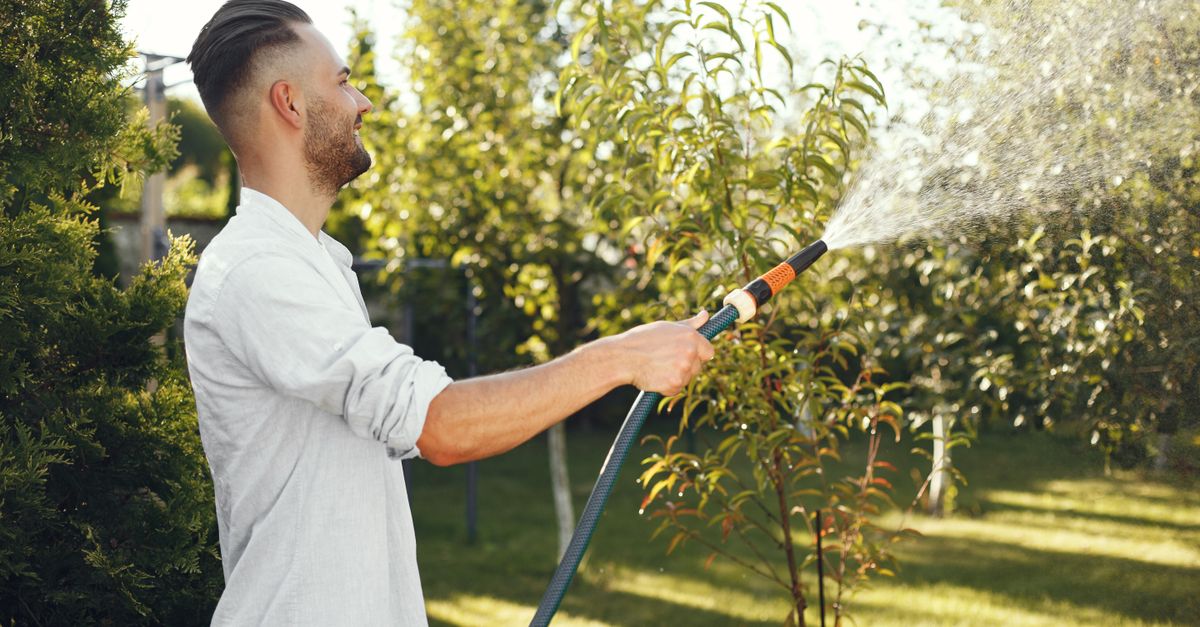
Why Your Garden Hose is Always Tangling and Kinking (And The Simple Solutions Most People Overlook)
Every spring, as the weather warms and the garden calls, I find myself in the familiar ritual of wrestling with the garden hose. It starts innocently enough: a gentle pull from the spigot, a quick watering of the newly planted annuals. But then, inevitably, it happens. A sudden snag, a frustrating loop, a complete crimp in the line that chokes off the water flow. I’ve tried everything over the years – coiling it just so, dragging it carefully, even buying what I thought were ‘kink-free’ hoses. Yet, the problem persists for most of us.
It’s not just an annoyance; it’s a productivity killer. A kinking hose turns a quick task into a drawn-out battle, making you dread the very chore it’s supposed to simplify. In my experience, the frustration comes from misunderstanding the fundamental causes of kinking and tangling. Most people blame the hose itself, or their coiling technique. While these play a role, the real culprits often lie in overlooked details and simple habits that, once corrected, change everything.
This isn’t about buying the most expensive, ‘guaranteed not to kink’ hose (many of which still do). This is about practical, hands-on strategies that tackle the problem at its roots, informed by years of gardening and countless hose battles. What changed everything for me wasn’t a miracle product, but a series of small, consistent adjustments in how I selected, used, and stored my hoses.
Key Takeaways
- Hose material and diameter are critical factors, with hybrid polymer and rubber hoses offering superior flexibility and kink resistance over vinyl.
- Proper unwinding and winding techniques, like the figure-eight method, are more effective than simple coiling for preventing memory kinks.
- Strategic placement of hose guides and reels minimizes friction and sharp turns that cause tangles and damage.
- Consistent, proactive maintenance, including draining and inspecting, significantly extends hose life and prevents common issues.
The Real Culprit: Material, Diameter, and Cold Hard Physics
When most people encounter a kinking hose, their first thought is, “This hose is cheap,” or “I must be coiling it wrong.” While those can be factors, the fundamental reason most hoses kink comes down to material science and basic physics – often exacerbated by improper selection. The mistake I see most often is prioritizing price or perceived lightness over actual material quality and appropriate diameter.
Think about the typical vinyl hose: it’s lightweight and inexpensive, which sounds great. But vinyl is inherently stiffer and has less elastic memory than other materials. In cooler temperatures, it becomes even more rigid, making it prone to crimping at tight angles. Once a vinyl hose kinks, it often develops a ‘memory’ at that point, making it a recurring problem spot. I remember a particularly frustrating spring where I bought a cheap, long vinyl hose for a new section of my garden. Every single time I used it, it would kink in the same three or four spots, even after carefully trying to straighten it. It was a nightmare, and I ended up replacing it within a single season.
What actually works: Investing in a hose made from hybrid polymer or reinforced rubber. These materials offer significantly better flexibility and rebound, even in colder weather. Hybrid polymer hoses, in particular, strike an excellent balance between lightness and durability, resisting kinking much better than vinyl. They’re often slightly more expensive, but they pay for themselves in reduced frustration and longer lifespan. For instance, I switched to a 5/8-inch hybrid polymer hose five years ago, and I can count on one hand the number of times it has genuinely kinked during use – a stark contrast to my previous experiences.
Secondly, consider the diameter. While a 1/2-inch hose is lighter, a 5/8-inch hose has a larger internal volume, which translates to better water flow and, crucially, less propensity to kink. The larger diameter means the hose walls are generally thicker and less likely to collapse under pressure or bend sharply. It’s a subtle difference but has a profound impact on the hose’s behavior. A 3/4-inch hose is even better for flow and kink resistance, but it’s heavier and overkill for most residential uses. For general gardening, 5/8-inch is the sweet spot that most people overlook, opting for the cheaper, smaller diameter only to constantly fight kinks.
The Ignored Art of Unwinding and Winding
Most people treat their garden hose like a rope: uncoiling it by simply pulling it in a straight line, and then winding it back by looping it around their arm or a reel in the quickest way possible. This is a primary cause of tangling and kinking, creating twists and internal stresses in the hose that manifest as kinks when water pressure is applied or when dragged. The ‘memory’ of the hose from improper storage becomes its Achilles’ heel.
What actually works: The secret lies in a more deliberate approach to managing the hose, both before and after use. When unwinding, don’t just pull. Instead, take the hose end and walk out the length you need, laying it down in a relatively straight line. If it’s on a reel, walk the hose out, letting the reel rotate freely. This prevents the hose from twisting upon itself right from the start. For hoses stored in coils, physically uncoil each loop rather than pulling from the center, which often introduces twists.
For winding, the figure-eight method is a game-changer that most people never learn. Instead of simply looping the hose in circles, you create alternating loops in a figure-eight pattern. This method eliminates rotational stress and prevents the hose from developing a twist memory. It’s used by firefighters and stage crews for good reason – it makes for quick, tangle-free deployment. While it takes a minute longer than a haphazard coil, the time saved in de-kinking and untangling is immense. For those using a hose reel, ensure the reel rotates smoothly and wind the hose evenly, guiding it with your hand to prevent overlapping that can crimp the hose walls over time. I used to hate coiling my hose, but once I started using the figure-eight method, it became almost meditative, and the next use was always smooth.
Another simple habit: always fully uncoil the length of hose you need for the task. Partially uncoiling often means the unused portion of the hose will remain coiled and is more likely to kink at its stored loops when under pressure, especially if it’s dragged around corners.
Strategic Layout: Minimizing Obstacles and Friction
We often treat the garden hose as an afterthought in our yard layout, dragging it over sharp edges, around tight corners, and through dense foliage. Each of these actions introduces friction, snags, and stress points that lead directly to kinks and wear. The hose isn’t just a conduit for water; it’s a flexible tool that interacts with its environment, and that interaction often goes overlooked.
What actually works: Thinking ahead about the hose’s path. Install hose guides in strategic locations, especially around garden beds, corners of houses, or over decorative elements. These can be decorative stakes or simple rollers that keep the hose elevated and prevent it from snagging or rubbing. I installed a series of simple metal hose guides around my raised beds, and it dramatically reduced the number of times my hose would get caught or develop a sharp kink from being pulled against a brick edge.
Furthermore, consider the placement of your hose reel or storage. Is it easily accessible, allowing for a smooth pull without immediate sharp turns? Many people place their reel in an awkward corner, forcing the hose to make a 90-degree turn as soon as it leaves the spool. Relocating your hose storage to a more open area or investing in a reel that can pivot can make a significant difference. For example, I moved my primary hose reel from a tight corner behind the garage to a more central, open spot near my patio, and the ease of use was immediate.
Finally, avoid dragging the hose across abrasive surfaces like rough concrete or gravel whenever possible. This causes premature wear and tear, weakening the hose walls and making them more susceptible to kinking and leaks. If you must cross such areas frequently, consider installing a short, dedicated path or even a protective sleeve over that section of the hose. A little planning in your garden layout can save a lot of frustration and extend your hose’s life by years.
The Overlooked Power of Proper Pressure and Draining
Most of us turn on the spigot full blast and only turn it off when we’re done. While convenient, operating a hose at maximum pressure unnecessarily stresses the material, especially if there are any restrictions or partial kinks already present. This constant high pressure can exacerbate kinking by forcing the hose into contorted positions, and it doesn’t do your hose any favors in the long run. Similarly, leaving water in the hose after use is a common mistake that leads to various issues, including kinking.
What actually works: Adjusting your water pressure and consistently draining your hose. When turning on the water, open the spigot gradually until you achieve the necessary flow for your task, rather than immediately going to full pressure. For many tasks like watering delicate plants or filling small containers, full pressure isn’t even required. This reduces the strain on the hose and makes it less likely to develop kinks from internal pressure.
More importantly, always drain your hose fully after each use, especially before coiling or reeling it. Water left inside the hose adds weight and can freeze in colder temperatures, potentially damaging the hose walls. Even in warm weather, the weight of the water makes the hose less flexible and more prone to kinking during storage or subsequent deployment. To drain, simply disconnect it from the spigot, lift the nozzle end, and walk the length of the hose, allowing gravity to push all the water out. Once drained, it’s significantly lighter, more pliable, and less likely to retain memory kinks when stored.
I learned this lesson the hard way one winter when I left my hose out with water in it. The next spring, it was stiff, brittle, and full of permanent kinks. Now, regardless of the season, draining my hose is as routine as turning off the spigot. It adds about 30 seconds to my chore, but it prevents countless minutes of frustration later.
Why Kink-Free Hoses Aren’t Always the Answer (And What to Look For Instead)
The market is flooded with hoses advertised as ‘kink-free,’ ‘zero-kink,’ or ‘never-kink.’ It’s an appealing promise, but in my experience, these claims often fall short of real-world performance, leading to disappointment and a renewed cycle of frustration. Many of these hoses rely on specific internal designs or materials that attempt to prevent kinking, but they often come with their own drawbacks or simply aren’t as foolproof as advertised. The mistake here is trusting marketing over understanding the core principles of what makes a hose kink.
For example, some ‘kink-free’ hoses are extremely heavy, making them cumbersome to move around the garden. Others are ultra-light and flexible, but their thin walls mean they can easily be punctured or damaged, turning a different kind of frustration. I once bought a highly-rated ‘never-kink’ expandable hose. It was great for a few weeks – incredibly lightweight and compact. But then, a small snag against a rose bush tore a tiny hole, rendering it useless. It was ‘kink-free’ right up until it wasn’t a hose at all.
What actually works: Instead of chasing the ‘kink-free’ label, focus on specific, tangible characteristics that contribute to true kink resistance and durability. Look for hoses that specifically mention:
- High-quality hybrid polymer or reinforced rubber construction: As mentioned earlier, these materials are inherently more flexible and resilient, allowing them to bend without collapsing.
- Higher burst pressure ratings: A higher burst pressure rating (e.g., 500 PSI or more) indicates a more robust hose wall that is less likely to crimp under pressure or stress.
- Appropriate diameter (5/8-inch for most): The larger internal diameter naturally resists collapsing into a kink.
- Flexible coupling: The connectors at each end of the hose should allow for some swivel or flexibility to prevent kinking right at the spigot or nozzle, a common pain point.
Furthermore, consider the fittings. Solid brass fittings, while heavier, are far more durable and less prone to cross-threading or leaking than plastic or aluminum. They also contribute to a better seal, meaning less water pressure loss and a more consistent flow. Paying a little more for these features upfront will save you money and headaches in the long run. My current favorite hose has heavy-duty brass fittings, and even after years of use, they show no signs of corrosion or leakage, unlike cheaper plastic alternatives I’ve replaced multiple times.
Frequently Asked Questions
Q: What’s the best material for a garden hose to prevent kinking?
A: Hybrid polymer and reinforced rubber hoses are generally the best options. They offer superior flexibility and elasticity compared to traditional vinyl, allowing them to bend without collapsing and resisting the formation of permanent kinks. Avoid cheap, lightweight vinyl hoses if kinking is a primary concern.
Q: Does hose diameter really make a difference for kinking?
A: Yes, absolutely. A 5/8-inch diameter hose is significantly less prone to kinking than a 1/2-inch hose. The larger diameter means thicker walls and a greater internal volume, which makes the hose more resistant to collapsing or crimping. While 3/4-inch hoses are even better, 5/8-inch is the ideal balance of performance and manageability for most home gardeners.
Q: How should I store my garden hose to prevent kinks?
A: The best storage method is using a hose reel or practicing the figure-eight coiling technique to prevent twists and kinks. Always drain the hose completely before storing it, as residual water adds weight and can cause stiffness or damage, especially in cold weather. Store it out of direct sunlight when not in use to prolong its life.
Q: Can water pressure affect hose kinking?
A: Yes, it can. Operating your hose at unnecessarily high pressure can exacerbate kinking, especially if the hose is already prone to it or if there are partial obstructions. Gradually opening your spigot to achieve the required flow, rather than full blast, reduces stress on the hose and minimizes the chances of kinking.
Q: Are ‘kink-free’ hoses worth the money?
A: Often, the term ‘kink-free’ is more of a marketing claim than a guarantee. Many ‘kink-free’ hoses come with other drawbacks like excessive weight or fragility. Instead of focusing solely on this label, prioritize hoses made from quality materials like hybrid polymer or reinforced rubber, with a 5/8-inch diameter and robust fittings. These characteristics are better indicators of true kink resistance and durability.
Conclusion
Wrestling with a kinking garden hose is a battle many gardeners unnecessarily endure. It’s not usually the hose’s inherent evil, but a combination of material choices, forgotten techniques, and overlooked environmental factors. By understanding the physics behind kinking and applying these practical, often counter-intuitive solutions, you can transform your gardening experience from a frustrating chore to a smooth, efficient process.
Invest in a quality hybrid polymer or reinforced rubber hose of at least 5/8-inch diameter, learn the figure-eight winding method, strategically place hose guides, drain your hose after every use, and manage your water pressure. These aren’t complicated changes, but their cumulative effect is profound. Reclaim your peace in the garden; your back (and your sanity) will thank you for it. Start by assessing your current hose and storage situation, and pick one or two of these tips to implement this week. You’ll be amazed at the difference.
Written by Ben Carter
Home Improvement & Practical Skills
An experienced DIY enthusiast who empowers readers to tackle home projects and improve their living spaces.
You Might Also Like

Why Your Bedroom Still Feels Freezing (Even With the Heating On) — And What Actually Works for Real Warmth
Discover the hidden culprits behind a cold bedroom and learn practical, effective solutions that go beyond just turning up the thermostat. Stop wasting energy and start sleeping warmer.

Why Your Outdoor Garden Lights Always Fail (And What Actually Works for Lasting Ambiance)
Stop replacing flimsy garden lights every season. Discover the hidden reasons they fail and learn what works for durable, beautiful outdoor lighting.

Why Your Garden Still Looks Overgrown (Even After Hours of Weeding) — And What Actually Works for Effortless Beauty
Discover why traditional weeding often fails to keep your garden tidy and learn actionable, long-term strategies for effortless, year-round beauty.